

Holiday Rental Photography Guide for Tenerife
- October 10, 2026
- Holiday
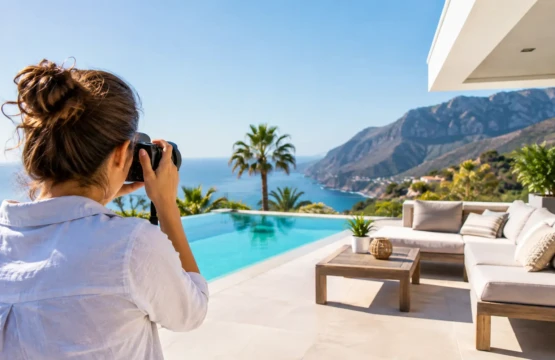
This holiday rental photography guide helps Tenerife hosts create bright, honest listing images that highlight comfort, design, and guest-ready details. Read More
 by jadesuites.es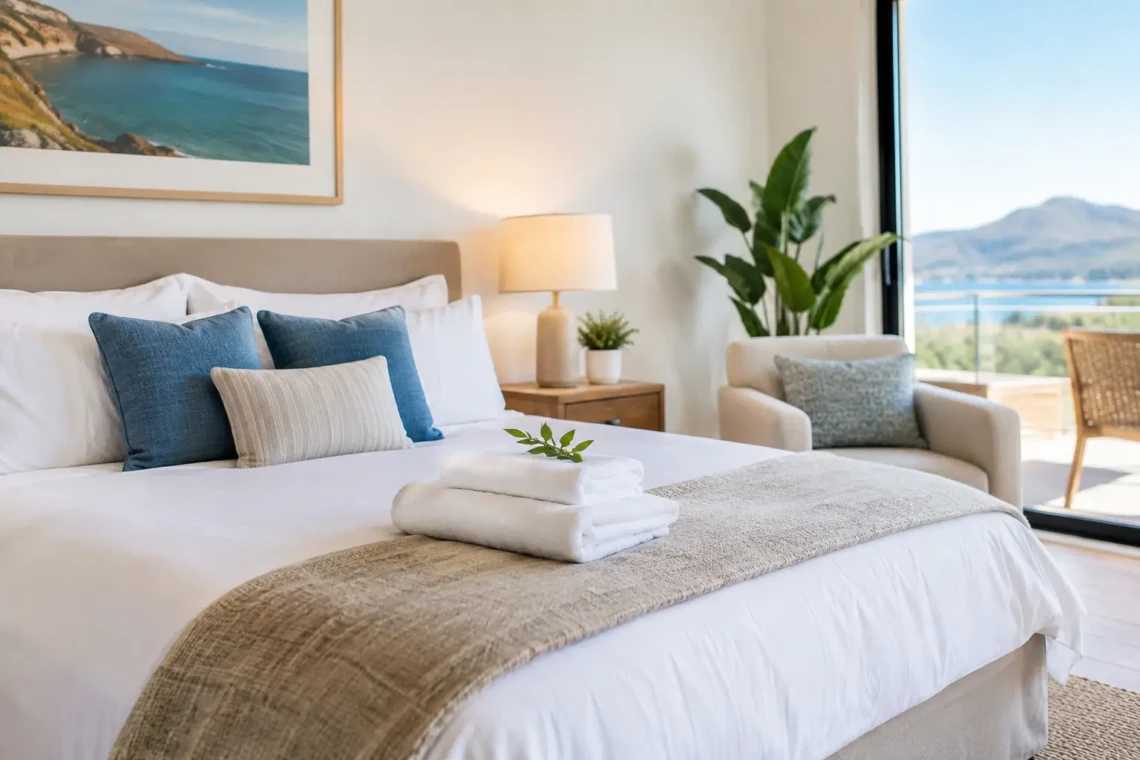
A holiday rental is judged before a guest ever turns the key. They see the photos, imagine breakfast on the terrace, picture where they will work, sleep, and unwind, then decide whether the stay feels worth booking. The best short term rental staging tips are not about filling a home with decor. They are about making every room feel clear, comfortable, and ready for an exceptional Tenerife stay.
For property owners, thoughtful staging can raise perceived value without turning a residence into a showroom. For guests, it creates the reassuring feeling that someone has considered the details. That is especially valuable in a destination where travelers may be choosing between a beach day, a hiking escape, a remote-work month, or a quiet winter retreat.
Staging is part presentation and part hospitality. It helps a potential guest understand the property quickly: where they can relax, cook, unpack, work, and enjoy the island. Empty rooms can look smaller in photographs. Overly personal rooms can make visitors feel as though they are borrowing someone else’s home rather than arriving at their own private retreat.
A well-staged rental sits comfortably between those extremes. It has warmth, character, and a sense of place, but it is also easy to use. Every visible item should support comfort, beauty, or function. When it does none of those things, it is usually visual noise.
For Tenerife homes, staging also needs to respect the setting. Bright light, volcanic landscapes, ocean views, and outdoor living are genuine advantages. They deserve space to lead the experience rather than being hidden by heavy furniture, crowded shelves, or dark window treatments.
Before buying a cushion or moving a chair, decide who the home is designed for. A couple on a long weekend needs a different experience from a small family, surfers traveling with gear, or digital nomads staying for four weeks. Trying to serve everyone equally often produces a generic space that speaks clearly to no one.
A one-bedroom apartment may be strongest as a calm couple’s escape with a beautiful dining setting and inviting bedroom. A family-friendly bungalow may benefit more from durable seating, easy storage, and a table that accommodates meals and games. A longer-stay property should make daily routines feel effortless, with a proper desk, supportive chair, fast Wi-Fi, and enough closed storage for guests to settle in.
This does not mean every design choice has to be literal. It means the layout should answer a guest’s practical questions before they ask them.
The first few minutes shape the entire stay. An entrance should feel open, clean, and useful, even when it is only a small hallway or corner of a living room. Provide a place to put keys, hang a light jacket, and set down a beach bag. Good lighting matters here, particularly for evening arrivals.
Keep the welcome surface simple. A small tray, a local guide, and a thoughtfully presented welcome note can feel more generous than a crowded display of ornaments. If the property has a view from the entrance, frame it. If it does not, use a mirror or artwork to create a sense of brightness and arrival.
Guests should be able to look at the main living space and immediately imagine relaxing there. Arrange seating for conversation and comfort, not only around the television. A sofa, occasional chair, side table, and soft lamp can make even a compact room feel intentional.
Choose a restrained color palette that works with Tenerife’s natural light. Sand, warm white, soft green, clay, and muted blue tend to feel relaxed and timeless. Add texture through cushions, throws, woven baskets, or ceramic accents, but avoid using decorative objects to compensate for poor furniture. A comfortable sofa and a well-proportioned rug will do more for the room than ten small accessories.
If a terrace or balcony is visible from the living room, keep the path to it clear. Outdoor space is often a deciding factor for vacation rentals, and guests should be able to see it as an extension of the room.
The bedroom is where guests decide whether the property feels truly restful. Invest in a high-quality mattress, crisp linens, blackout options where needed, and bedside lighting on both sides of the bed. These are operational decisions as much as design choices, and they frequently influence reviews.
Use layered bedding to create a polished photo while remaining practical in Tenerife’s changing microclimates. A lightweight duvet or quilt, breathable sheets, and an extra blanket in the closet give guests choice without making the bed look overly formal. Two matching bedside tables are ideal, but a balanced arrangement with functional reading lights can work in smaller rooms.
Remove personal photographs, excess furniture, and anything stored under the bed that guests may notice. A bedroom should feel private and uncluttered, with enough hooks, hangers, and luggage space for real travel days.
A kitchen does not need to look like a magazine set. It needs to signal that guests can comfortably make breakfast, prepare a simple dinner, and enjoy a longer stay. Clear the counters of unnecessary appliances and mismatched containers, then leave a few attractive, useful items in view.
A clean coffee station, a bowl of local fruit for arrival photography, or a neatly placed carafe can add warmth. Do not stage the kitchen with food that creates a cleaning burden or looks tired after a few days. Freshness and order always photograph better than abundance.
Make sure the essentials are easy to find. Guests appreciate labeled storage, adequate glassware, sharp knives, a reliable coffee maker, and enough plates for the stated occupancy. The most beautiful kitchen will disappoint if it cannot support an easy meal after a day exploring Puerto de la Cruz or the north coast.
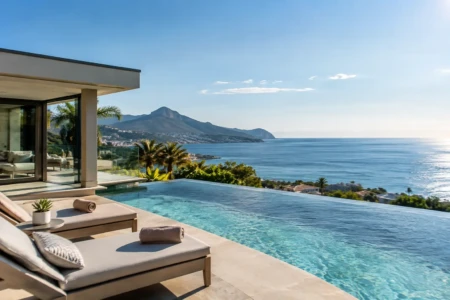
In Tenerife, terraces, patios, gardens, and balconies can carry as much booking appeal as an interior living room. Stage them with the same care. A small table with comfortable chairs suggests unhurried breakfasts. A pair of loungers suggests a sunny afternoon. Outdoor lighting makes the space feel usable beyond sunset.
Scale is crucial. Do not force a large dining set onto a narrow balcony, and do not leave a spacious terrace nearly empty. Choose furniture that suits the footprint, withstands sun and coastal conditions, and is easy to maintain between stays. Salt air, wind, and strong sunlight can quickly expose low-quality materials, so durable finishes are worth the upfront cost.
Views should remain visible. Trim plants that block sightlines, clean exterior glass, and avoid placing tall decor in front of railings. The landscape is part of the property experience.
Remote-friendly stays are no longer a niche request. Many guests escaping colder months want a home office in Tenerife without sacrificing the feeling of a vacation. A dedicated desk is better than calling the dining table a workspace, particularly for stays of several weeks.
Place the desk where possible near natural light, but avoid positioning the screen directly in front of a bright window. Add a comfortable chair, accessible outlets, a lamp, and a small surface for a notebook or coffee. Most importantly, make the Wi-Fi dependable and clearly communicate that it has been considered.
A workspace does not need to dominate the room. A compact desk in a bedroom alcove or quiet living-room corner can feel discreet and highly valuable when it is properly equipped.
Professional photography benefits from staging, but photos should never promise a version of the home that disappears at check-in. Avoid styling with fragile objects that must be removed, decorative towels that are not for use, or furniture layouts that make daily living awkward.
Before a shoot, walk through the property as a guest would. Sit on the sofa. Open the drawers. Plug in a phone. Stand in the shower. Carry a suitcase from the entrance to the bedroom. This simple test reveals whether the space is only attractive or genuinely guest-ready.
At JadeSuites, the strongest homes pair tasteful design with the small comforts guests remember: a spotless bathroom, a bed that invites rest, a terrace worth lingering on, and a home that feels easy from the first evening. The goal is not to make a property look expensive. It is to make every guest feel confidently cared for.
A final detail is often the one that earns the booking: open the curtains, switch on a warm lamp, set out fresh linens, and let the home show the stay it is ready to offer.
Short term rental staging tips for... Read More
This holiday rental photography guide helps... Read More
Use this Tenerife apartment review guide... Read More

Join The Discussion