


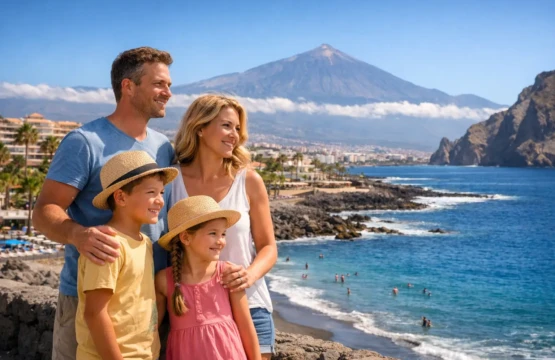
What Luxury Rentals in Tenerife Should Feel Like
- October 6, 2026
- Holiday
Luxury rentals in Tenerife pair private space, considered design, and attentive local support for holidays, workcations, and longer island stays year-round. Read More
 by jadesuites.es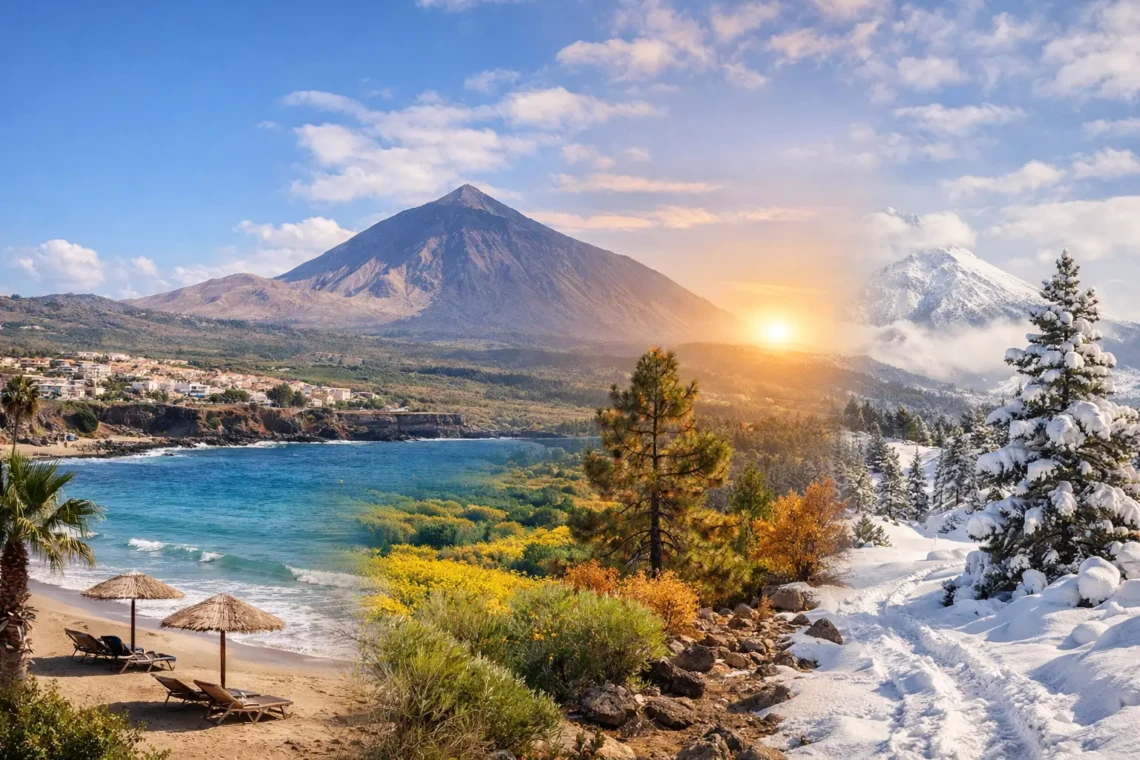
Packing for Tenerife can be strangely deceptive. One traveler arrives expecting nonstop beach heat and ends up wanting a light jacket for dinner in the north. Another assumes winter will feel cool and finds themselves swimming on Christmas Day. That is exactly why understanding Tenerife weather by season makes trip planning so much easier.
The island is famously mild all year, but not all parts of Tenerife feel the same and not every month suits the same style of stay. Elevation, trade winds, and the contrast between the greener north and sunnier south all shape the experience. If you are planning anything from a week of poolside rest to a longer remote-work escape, the season matters less than many people think – and the microclimate matters more.
Tenerife enjoys a subtropical climate with warm temperatures in every season, plenty of sunshine, and relatively small swings between winter and summer compared with much of Europe. Coastal areas tend to stay comfortable year-round, while higher inland zones can feel dramatically cooler. In practical terms, that means you can enjoy breakfast in a T-shirt by the sea and still want an extra layer if you head into the hills later in the day.
For many visitors, the biggest seasonal difference is not extreme heat or cold. It is the balance of sunshine, humidity, ocean conditions, and the chance of rain, especially in the north. Places such as Puerto de la Cruz, Santa Ursula, Tacoronte, and Los Realejos often feel fresher and greener than the south, which is part of their appeal. If you like scenery with character rather than a one-note climate, northern Tenerife can be especially rewarding.
Spring, roughly from March through May, is one of the island’s most comfortable seasons. Daytime temperatures usually feel warm rather than hot, often landing in the low to mid 70s F along the coast, with cooler evenings. The landscapes are often especially attractive at this time, with green hillsides lingering after winter rains and clearer air in many areas.
For travelers who want a balanced trip, spring is easy to recommend. You can spend part of the day outdoors without the intensity that midsummer can bring, and beach time is still very much on the table. The ocean may feel brisk for some in early spring, especially if you are used to tropical water, but many visitors still swim comfortably.
This season also works well for guests who want a more relaxed rhythm. Hiking, scenic drives, terrace dining, and longer stays tend to feel effortless in spring. If your ideal vacation includes both coastal downtime and time exploring charming towns in the north, this is often one of the most satisfying windows of the year.
Summer, from June through August, brings the driest and warmest conditions, especially in the south and at lower elevations. Coastal temperatures are usually in the upper 70s to mid 80s F, though heat can feel stronger during certain warm spells. Sunshine is generous, rain is rare, and beach days are as reliable as Tenerife gets.
That said, summer in Tenerife is still more moderate than many mainland Mediterranean destinations. You are less likely to feel trapped indoors by oppressive heat for days on end, which is one reason the island appeals to families, couples, and longer-stay guests. Evening conditions are often pleasant enough for outdoor dining without the heaviness some travelers expect from peak summer elsewhere.
The trade-off is that popular areas can feel busier, and accommodations that offer privacy, design, and dependable comfort tend to be booked earlier. If you are traveling in summer and want a more curated stay, planning ahead matters. This is also a strong season for surf trips in some parts of the island, although conditions vary by beach and experience level.
In the north, summer often feels especially attractive for guests who want warmth without the stark, arid feel of hotter resort zones. You still get plenty of sun, but with a softer atmosphere and more visual contrast in the landscape.
Fall, from September through November, is often overlooked by first-time visitors and appreciated most by those who know the island well. Early fall still carries a very summery feel, with warm days, comfortable evenings, and ocean temperatures that many people find more inviting than in spring. September and October can be especially appealing if your priority is swimming, sun, and a less rushed pace than peak summer.
As the season moves into November, temperatures remain mild, but the north may see more cloud cover and occasional rain. This usually does not mean constant bad weather. More often, it means shifting conditions – a bright morning, a passing shower, then sun again later. For some travelers, that variation is a drawback. For others, it is part of what makes Tenerife feel lived-in and atmospheric rather than manufactured.
Fall is also a strong choice for remote workers and longer stays. The weather remains pleasant, the island feels active without being at full summer intensity, and daily life settles into a more comfortable rhythm. If you want to work with a sea view, take walks in the late afternoon, and still fit in weekend beach time, this season offers a very attractive balance.
Winter is where Tenerife stands apart for many European and international travelers. From December through February, the island remains mild while much of the continent turns cold, gray, and dark. Coastal daytime temperatures often sit in the upper 60s to low 70s F, with cooler nights and occasional rain, particularly in the north.
It is worth setting expectations properly. Winter in Tenerife is not guaranteed high-summer beach weather every day. You may get brilliant sunshine and lunch outdoors in short sleeves, then need a sweater after sunset. Some days are perfect for swimming, while others are better suited to coastal walks, café stops, or drives through the island’s dramatic scenery.
For winter sun seekers, that flexibility is part of the charm. Tenerife offers something many destinations cannot: a genuine break from winter without requiring long-haul travel. It is especially appealing for couples and digital nomads escaping colder climates for a few weeks or even a month or two. A well-located stay with reliable internet, thoughtful interiors, and a comfortable outdoor space can make winter on the island feel less like a trip and more like a reset.
When people ask about Tenerife weather by season, they are often really asking a different question: north or south? The south is generally sunnier, drier, and slightly warmer. The north is greener, more textured, and can have more cloud cover, especially in winter and parts of fall.
That does not mean the north is a poor choice. Quite the opposite. Many guests prefer it for its authenticity, dramatic views, and calmer atmosphere. Areas such as Puerto de la Cruz and the surrounding northern coast offer a style of Tenerife that feels more residential, scenic, and connected to local life. If you value character, lush landscapes, and a more refined pace, the north can be deeply rewarding.
The key is matching the area to your travel style. If your plan is to chase uninterrupted pool weather every day, the south may suit you better. If you want a more layered stay with ocean views, charming neighborhoods, and the option to mix leisure with exploration, the north often feels more memorable.
No matter when you visit, Tenerife rewards practical packing. In summer, light clothing, sun protection, and swimwear are obvious essentials, but even then, a light layer for evenings is sensible. In spring and fall, versatility matters most – think breathable daytime clothing and something warmer for later. In winter, you will still use sunglasses and resort wear, but you will also be glad to have a sweater or light jacket.
If you plan to explore beyond the coast, add another layer than you think you need. Mountain roads, elevated viewpoints, and Teide excursions can feel significantly cooler than sea level. This catches many travelers off guard more than the season itself.
There is no single perfect answer, only the best fit for your version of Tenerife. Spring is excellent for all-around comfort. Summer is ideal for classic sun-and-sea travel. Fall is a favorite for warm water and a calmer feel. Winter is the clear winner for escaping cold weather without sacrificing ease.
For guests who value a beautifully prepared stay as much as the forecast, the right season is the one that supports the pace you want. A short beach break, a design-led work retreat, or a longer north-coast escape can all work beautifully here with the right expectations.
Tenerife rarely asks you to choose between good weather and a good stay. It simply asks you to choose the version of the island that suits you best.


Luxury rentals in Tenerife pair private... Read More

Find the top amenities for remote... Read More

Plan a Tenerife workation with reliable... Read More


Join The Discussion