



Holiday Rental Management for Tenerife Owners
- September 22, 2026
- Holiday
Holiday rental management in Tenerife combines polished presentation, responsive guest care, and smart pricing to protect your home and improve stays. Read More
 by jadesuites.es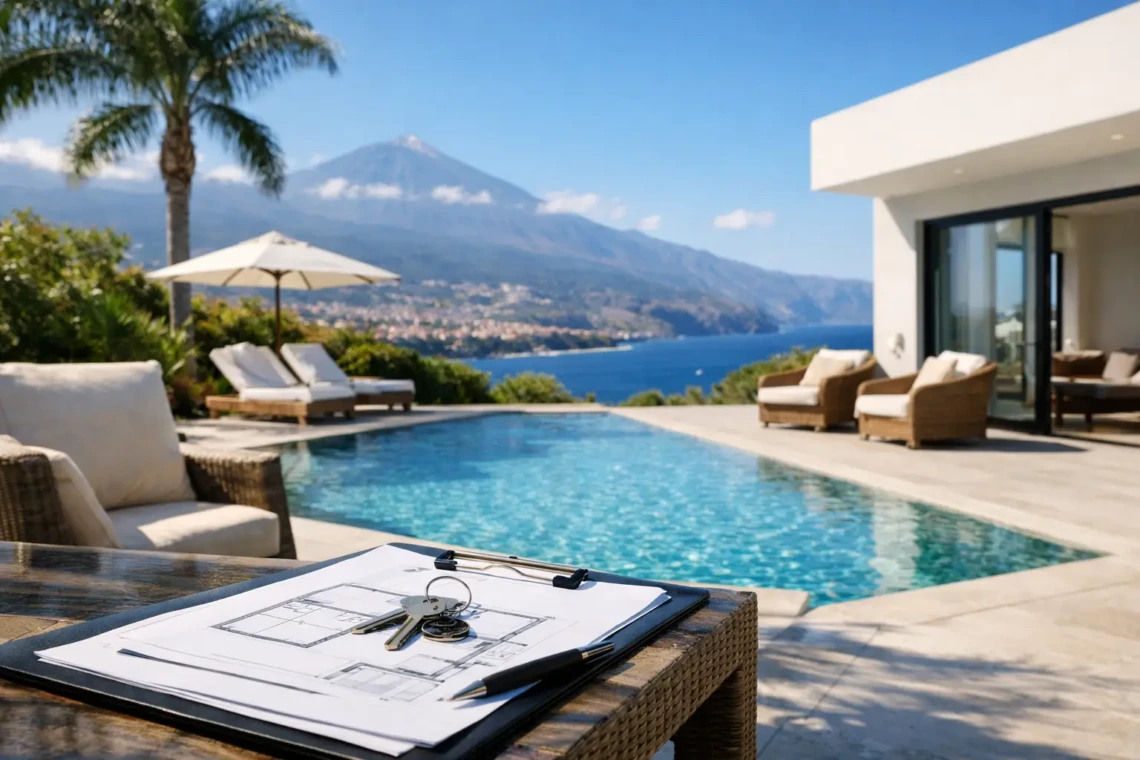
A Tenerife property can look exceptional in the afternoon sun and still underperform as a vacation rental. The difference is rarely just the view. For owners researching how to start a holiday rental in Tenerife, the real work is turning a residence into a legal, dependable, and genuinely memorable place to stay.
That means making decisions before the first listing goes live: who the home is for, whether tourist use is permitted, what level of comfort the property can consistently deliver, and who will respond when a guest needs help at 10 p.m. Done thoughtfully, a holiday rental can become both a strong asset and a warm introduction to island life.
Avoid trying to appeal to every traveler. A one-bedroom apartment near Puerto de la Cruz may be perfect for couples escaping a northern winter, solo travelers, or remote workers seeking a peaceful base with reliable internet. A villa in Santa Ursula may have greater appeal for families and groups who value outdoor space, privacy, and room to settle in.
Your location should shape the experience. Northern Tenerife attracts visitors looking for green landscapes, authentic towns, coastal walks, surf culture, and a less crowded pace than the island’s major resort areas. A property in Tacoronte or Los Realejos does not need to imitate a large south-coast resort. It should lean into what makes the area appealing: character, calm, local food, dramatic scenery, and an easy sense of place.
Before investing in furnishings, define your most likely guest. Consider the length of stay, the number of people the home comfortably accommodates, and the practical reasons they would choose it. For longer stays, a proper desk, supportive chair, fast Wi-Fi, and a quiet sleeping area may matter more than another decorative accent. For families, laundry facilities, a well-equipped kitchen, safe outdoor areas, and clear arrival instructions often carry more weight than luxury for its own sake.
Legal preparation comes before photography, platform profiles, or income projections. Holiday-rental rules in the Canary Islands can involve regional tourism requirements, municipal planning rules, property documentation, community regulations, guest-registration obligations, insurance, and tax responsibilities. Requirements can also change, and their application may differ by municipality and building.
First, confirm that tourist use is permitted for the specific property. Check the local planning position, any restrictions affecting the building or area, and the statutes or decisions of the homeowners’ association if the home is part of a community. If you are not the owner, review the lease and secure written permission. If there is a mortgage, insurance policy, or other contractual arrangement, make sure holiday use does not create a conflict.
In many cases, owners need to submit a declaration and register the property for tourist use before advertising it. A registration number may need to appear in marketing materials, while guest data and recordkeeping obligations must be handled correctly. Do not rely on an old forum post or a neighbor’s experience as your legal checklist. A local gestor, lawyer, or experienced holiday-rental professional can verify the current requirements for your address and property type.
This step can feel slow, but it protects the investment. An attractive property with unclear permissions is not a business plan. It is an expensive risk.
Great photos earn attention. Consistent comfort earns reviews, repeat bookings, and recommendations. Start with the fundamentals: excellent mattresses, quality pillows, effective blackout options, sufficient hot water, strong water pressure, functioning appliances, and thorough cleaning standards.
Tenerife has its own practical considerations. Homes near the coast may need extra attention to humidity and salt air. Properties in warmer areas benefit from ventilation, shading, and clear guidance on cooling. In higher or northern locations, guests may appreciate throws, heating options where appropriate, and an honest description of the local climate. A home should be prepared for the conditions guests will actually experience, not only for its best weather day.
Design should feel intentional without becoming fragile. Choose durable furniture, easy-to-clean upholstery, good lighting, and storage that supports real travel. Guests need places for suitcases, beach gear, groceries, and clothing. They also need enough dining chairs, glasses, towels, and tableware for the stated occupancy. Under-equipping a beautiful home is one of the quickest ways to create frustration.
A small welcome touch can add warmth, but it should never compensate for missing essentials. Clear Wi-Fi instructions, a simple coffee setup, quality linens, and a useful local guide usually make a stronger impression than unnecessary extras.
Holiday rentals are hospitality businesses, not passive listings. Every arrival, cleaning turnover, maintenance issue, and question affects the guest’s confidence. The strongest operations are often invisible because everything feels easy.
Set up a dependable process for pre-arrival communication, check-in, departure, cleaning inspections, linen changes, and maintenance reporting. Decide how keys or smart locks will be managed, who can attend the property quickly, and how urgent issues will be handled outside regular hours. If you live off-island or simply do not want to be on call, local management support is not a luxury. It is part of protecting the guest experience and the property itself.
Cleaning deserves particular attention. Guests notice overlooked details immediately: hair in a shower, fingerprints on glass, a dusty fan, a kitchen drawer that has not been checked. Use a room-by-room inspection standard rather than assuming a completed clean is a guest-ready clean. Keep spare linens, towels, light bulbs, batteries, and basic maintenance supplies on hand so small problems do not become same-day emergencies.
Safety also needs to be routine, not improvised. Ensure smoke alarms, first-aid supplies, electrical installations, pool safety measures where relevant, and emergency contact details are appropriate for the home. Provide instructions that are simple enough for a tired traveler to follow.
A realistic rate is based on more than what nearby homes charge per night. Your calculation should account for utilities, cleaning, laundry, supplies, maintenance, insurance, taxes, platform or payment costs, management fees, replacement of furnishings, and the quieter periods between bookings.
Tenerife has year-round demand, but it is not one constant season. School holidays, winter sun travel, local events, flight availability, and weather patterns all influence booking behavior. Northern Tenerife may attract a different guest than highly resort-driven areas, so copy-and-paste pricing is rarely effective.
Start with a competitive, thoughtful base rate, then review performance regularly. A lower price can bring occupancy, but it can also leave too little margin to maintain premium standards. A higher rate can work when the home offers a clear reason to choose it: a standout terrace, excellent design, dedicated workspace, heated pool, sea view, or exceptional service. The goal is not simply to fill dates. It is to attract guests whose expectations match the home.
Longer stays can provide welcome stability, especially for remote workers spending several weeks on the island. Consider offering favorable extended-stay rates when the numbers support it, while being clear about utilities, cleaning schedules, and the type of agreement required. The correct structure may depend on the stay length and current local rules, so treat this as a compliance question as well as a commercial opportunity.
Your listing should answer the questions a careful guest asks before they book. How many steps are there? Is a car recommended? Is the internet suitable for video calls? Does the bedroom have air conditioning or a fan? Is the pool private, shared, heated, or seasonal? How far away are groceries, restaurants, and the nearest beach in realistic travel time?
Honesty is premium service. If a rural home has roosters, a hillside road, or limited walkability, describe it clearly and pair it with the benefit: privacy, local atmosphere, or expansive views. Guests are far more forgiving of a feature they understood before booking than of a surprise after arrival.
Professional photography should show the home’s strongest assets while accurately representing scale and layout. Include the work area if you welcome digital nomads, the kitchen if self-catering is central to the stay, and outdoor living spaces if they are a key reason to book. Captions and descriptions should help guests picture their day, from morning coffee on the terrace to an easy return after exploring the north coast.
Fast, kind communication is one of the most valuable advantages an independent holiday home can offer. Guests do not expect perfection from every appliance or airline connection. They do expect a host who listens, responds, and offers a practical solution.
A well-managed rental combines systems with human judgment. Automated arrival messages are useful, but a guest whose flight is delayed, whose child is unwell, or who cannot locate the property may need personal support. That is where attentive hospitality becomes visible.
For owners who want a more hands-on partnership, a specialist manager such as JadeSuites can coordinate presentation, guest communication, bookings, and on-the-ground operations while preserving the personality of the home. The right support should make the property feel more considered, not more generic.
The best first step is simple: assess your property as a guest would, then make each decision from legality and layout to linens and local recommendations serve that stay. When a home is prepared with care, Tenerife does much of the rest.



Holiday rental management in Tenerife combines... Read More

Wondering when is Tenerife surfing season?... Read More

Learn how to prepare villa for... Read More

Join The Discussion