

What Luxury Rentals in Tenerife Should Feel Like
- October 6, 2026
- Holiday
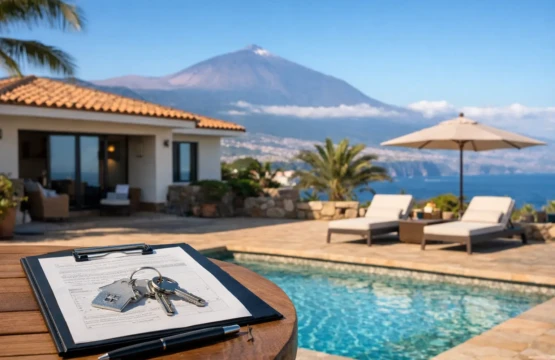
Luxury rentals in Tenerife pair private space, considered design, and attentive local support for holidays, workcations, and longer island stays year-round. Read More
 by jadesuites.es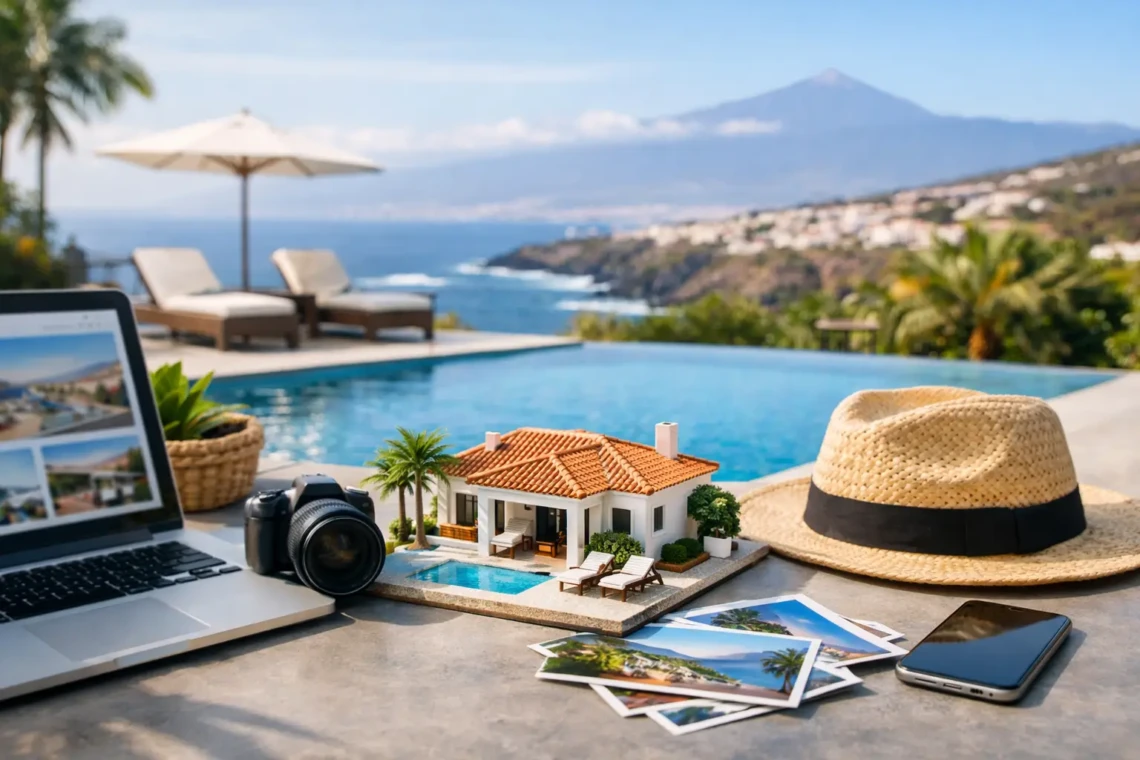
A holiday home in Tenerife is not marketed by simply being available. Guests compare dozens of properties in minutes, often before they have chosen a flight. To market Tenerife holiday rentals successfully, owners need to present a clear promise: a beautiful, dependable stay in a location that fits the guest’s idea of the island.
For some travelers, that means a calm terrace above Puerto de la Cruz, morning coffee with Atlantic views, and easy access to local restaurants. For others, it is fast Wi-Fi, a proper desk, and a comfortable base for a month of remote work away from winter. The strongest rental marketing begins by understanding which of these guests a property genuinely serves best.
Trying to appeal to everyone usually makes a holiday rental feel interchangeable. A one-bedroom apartment with a compact balcony and reliable internet does not need to compete with large family villas. It can be the right choice for a couple seeking a stylish escape, a solo traveler planning a surf week, or a remote professional staying for several weeks.
Northern Tenerife gives owners a particularly compelling story to tell. Puerto de la Cruz, Santa Ursula, Tacoronte, and Los Realejos offer a greener, more residential side of the island, with dramatic coastlines, local character, and a pace that many guests prefer to the busiest resort areas. That distinction should appear throughout the listing, from the opening description to the photographs and guest guide.
Be specific about what the stay feels like. “Quiet apartment in Tenerife” is forgettable. “Light-filled apartment near Puerto de la Cruz with a dedicated workspace, fast Wi-Fi, and a terrace for slow mornings” gives the right guest a reason to keep reading.
Guests are not only booking bedrooms and square footage. They are choosing how their days will unfold. A well-marketed home helps them picture that experience without overselling it.
Describe the practical details that shape a comfortable vacation: air conditioning or fans where relevant, quality bedding, a well-equipped kitchen, easy parking, laundry facilities, and dependable Wi-Fi. Then connect those details to the guest’s trip. A washing machine matters to families and longer-stay visitors. A shaded outdoor dining area matters to guests who want relaxed evenings at home. A dedicated workspace can be the deciding factor for a traveler extending a one-week break into a month-long stay.
The key is accuracy. If a property is a short drive from the beach rather than walkable, say so. If the neighborhood is peaceful but hilly, present that honestly. Clear expectations protect reviews, reduce pre-arrival questions, and build the trust that premium travelers expect.
Tenerife is not one single vacation experience. The sunny south, the historic towns of the north, volcanic landscapes, black-sand beaches, hiking trails, vineyards, and surf spots all attract different travelers. A listing should explain what is nearby and why it is worth the guest’s time.
Instead of a long list of attractions, choose the most relevant local advantages. A home in Tacoronte may appeal to visitors interested in coastal scenery and wine country. A stay near Puerto de la Cruz can speak to botanical gardens, ocean swimming, cafés, and an established local atmosphere. For remote workers, mention grocery access, a suitable work setup, and the everyday convenience of the area alongside the views.
Local insight is also a service advantage. Thoughtful recommendations for restaurants, scenic walks, beaches, and practical essentials make a guest feel looked after before they arrive.
More exposure will not fix weak presentation. When photographs are dark, rooms look cluttered, or the description leaves basic questions unanswered, additional traffic simply creates more missed bookings.
Professional photography is one of the most valuable investments an owner can make. Images should show the property in natural light, with the bed made beautifully, surfaces clear, and each room prepared as it would be for a real arrival. Include the exterior, the view where applicable, and details that make the home feel considered: a reading corner, an inviting dining table, quality linens, or a work desk set up for use.
Styling should support the home rather than disguise it. Neutral, clean spaces tend to photograph well, but they should still have warmth and personality. The goal is not a showroom. It is a place guests can imagine settling into comfortably.
Your written description should match the images closely. Lead with the home’s strongest attribute, then explain the layout, key amenities, and location in a natural order. Avoid vague claims such as “perfect” or “luxury” unless the property consistently delivers the standard guests associate with those words.
Tenerife benefits from year-round interest, but demand still changes with school vacations, winter sun travel, local events, and booking patterns. A fixed nightly rate can leave money on the table during peak periods and reduce visibility when demand is quieter.
A considered pricing strategy accounts for seasonality, length of stay, local competition, and the property’s real strengths. A villa with a pool, a sea view, and family-friendly space will operate differently from a compact apartment designed for couples or digital nomads. Pricing also needs to reflect operating costs and the level of service included.
Longer stays deserve their own approach. Monthly guests often value stable internet, a kitchen they can use daily, comfortable seating, and a reliable host more than elaborate extras. Special rates for longer reservations can create steadier occupancy while reducing changeover costs. The trade-off is flexibility: accepting a month-long booking may mean giving up several shorter, higher-rate stays. The right decision depends on the season and the property’s booking pace.
The booking journey begins before check-in. Fast, warm, and useful communication reassures a guest that the property is professionally cared for. It also increases the chance that an inquiry becomes a reservation.
Answer the questions guests are actually asking, including parking, accessibility, beach distance, Wi-Fi speed, check-in arrangements, and whether the home suits children or remote work. A response that is clear and personal feels very different from a copied template, even when the information is similar.
Once booked, guests should receive practical arrival details without being overwhelmed. Clear directions, check-in instructions, and a concise local guide help the first day go smoothly. During the stay, availability matters, but so does respecting privacy. Premium hospitality is attentive rather than intrusive.
This is where professional management can be valuable. A curated partner such as JadeSuites can bring together presentation, guest communication, operational standards, and local knowledge so that a home is not only listed, but cared for as a complete guest experience.
Excellent reviews are rarely the result of one dramatic gesture. They come from consistent basics: spotless cleaning, accurate listings, easy arrival, comfortable sleep, and prompt help when something needs attention.
Owners should treat recurring guest feedback as useful operational data. If several reviews praise the quiet setting, make that a central part of the listing. If guests repeatedly mention difficulty finding the property, improve directions. If the internet receives mixed comments, test it properly and address the issue before marketing the home to remote workers.
Request reviews politely after departure, when the guest has had time to reflect on the stay. Never pressure them or promise rewards. A sincere note of thanks and a simple invitation to share feedback is enough.
A property’s photographs, description, pricing, messages, and on-site condition must tell the same story. If the listing presents an exclusive retreat, the arrival experience should feel orderly and welcoming. If it promotes remote work, the workspace and internet must be ready. If it speaks to families, safety and practical details cannot be an afterthought.
Consistency is what allows a smaller, carefully managed portfolio to stand apart from mass-market accommodation. It gives guests confidence that the home they saw online is the home they will enjoy in Tenerife.
The most effective next step is often simple: view your rental as a first-time guest would. Ask what makes it memorable, what questions remain unanswered, and what would make arrival feel effortless. Then refine those details with care. That is how a holiday home becomes a stay guests recommend long after they have returned home.


Luxury rentals in Tenerife pair private... Read More

Find the top amenities for remote... Read More

Plan a Tenerife workation with reliable... Read More


Join The Discussion