

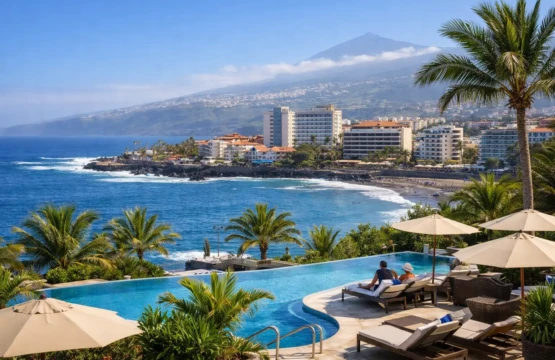

What Luxury Rentals in Tenerife Should Feel Like
- October 6, 2026
- Holiday
Luxury rentals in Tenerife pair private space, considered design, and attentive local support for holidays, workcations, and longer island stays year-round. Read More
 by jadesuites.es
A beautiful property in Tenerife can underperform for one simple reason – owning a great home is not the same as running a great holiday rental. Guests notice the details fast: how a home is presented online, how quickly questions are answered, whether check-in feels easy, and whether the stay matches the promise. That is where Tenerife holiday rental management makes the difference between a listing that sits quietly and one that earns strong reviews, repeat stays, and healthier returns.
For owners, the appeal of short-term rentals is easy to understand. Tenerife has year-round demand, a wide mix of travelers, and distinct micro-locations that speak to different kinds of guests. A remote worker looking for reliable Wi-Fi and calm surroundings in Santa Ursula is not searching for the same experience as a couple planning a week by the coast in Puerto de la Cruz. Good management recognizes those differences and builds the right offer around them.
Some owners assume management starts and ends with handing over keys and cleaning between bookings. In practice, that is only the visible part. The real work begins much earlier, with positioning.
A well-managed holiday home needs a clear identity in the market. Is it best suited to couples, small families, surfers, digital nomads, or longer winter stays? Does its design support a premium price, or does it need improvements before it can compete well? The answers shape everything from photography and pricing to minimum stay rules and guest messaging.
Professional Tenerife holiday rental management usually combines setup, marketing, operations, and hospitality. Setup means preparing the property to perform well from day one. That can include furnishing guidance, styling, amenity planning, and practical decisions about linens, kitchen equipment, workspace comfort, and maintenance standards. Marketing covers listing creation, visual presentation, pricing strategy, and calendar management. Operations handle cleaning, inspections, restocking, maintenance coordination, and guest support. Hospitality ties it all together, because a polished property still needs attentive service to earn trust.
The strongest results usually come when these pieces work as one system rather than as separate tasks.
Tenerife is not a one-note destination, and rental performance is rarely driven by the island alone. Area matters. Guest intent matters. Even weather patterns and pace of life matter.
Puerto de la Cruz often appeals to travelers who want charm, walkability, dining, and a more established vacation setting. Santa Ursula and Tacoronte can attract guests seeking space, views, privacy, and a quieter rhythm. Los Realejos may suit visitors who want access to the north while staying outside the busier tourist flow. A property manager who understands these nuances can market each home with more precision.
That precision affects occupancy and pricing. A stylish apartment with ocean views and strong natural light may be ideal for couples or remote workers staying two or three weeks. A family-friendly home with outdoor space may perform better with longer holiday bookings during school breaks. If every property is marketed the same way, value gets lost.
Many owners focus first on nightly rate, which is understandable. But revenue is often protected or lost through the guest experience. A higher rate means little if guests arrive confused, encounter inconsistent standards, or leave a lukewarm review.
Strong holiday rental management keeps the experience consistent before, during, and after the stay. Before arrival, guests want clarity. They want accurate descriptions, prompt answers, simple check-in details, and confidence that the home will be as shown. During the stay, they want comfort, cleanliness, and support that feels available without being intrusive. After departure, review requests and follow-up should feel thoughtful rather than automated for the sake of it.
This matters even more in the premium segment. Travelers booking an exclusive apartment, bungalow, or villa are not only paying for square footage or a sea view. They are paying for ease. They want to arrive and settle in without friction. They want tasteful interiors, dependable standards, and the sense that someone has paid attention.
That level of care also creates better owner outcomes. Better reviews improve conversion. Better conversion supports stronger pricing. Stronger pricing allows for better upkeep. The cycle works both ways.
There is a difference between basic administration and real asset stewardship. Basic admin support may keep a listing live. Real management helps a property grow into a stronger hospitality product.
That usually starts with honest assessment. Not every home should be positioned as premium, and not every owner needs the same management model. Some properties need a full setup and operational partner. Others are already established but need sharper pricing, better presentation, or improved guest communication. The right approach depends on the condition of the property, the owner’s goals, and the target guest.
Owners should also expect transparency around trade-offs. For example, maximizing occupancy is not always the same as maximizing long-term value. Chasing every open date can increase wear, create operational pressure, and attract less suitable bookings. On the other hand, very selective booking strategies can protect the property but leave revenue on the table. Good management finds the right balance for the home rather than applying one formula to every listing.
For many owners, time is another factor. If you live off-island, have another business, or simply do not want late-night guest messages and maintenance calls, professional support becomes less of a luxury and more of a practical necessity.
Premium service is often less about grand gestures and more about consistency. It shows in small decisions that guests feel immediately.
The property is photographed with care and described honestly. The furnishings feel considered rather than improvised. The kitchen is equipped for real use, not just appearance. Wi-Fi is reliable, especially for longer stays and remote work guests. Cleaning is thorough, not rushed. Arrival information is easy to follow. Questions receive warm, useful responses.
This is especially relevant in Tenerife, where many guests are escaping winter, combining work and leisure, or booking mid-term stays for a change of pace. A home that supports that lifestyle needs more than a bed and a balcony. It should offer comfort for living, not just sleeping.
A boutique management approach can be especially valuable here. A curated portfolio allows more attention per property and a more selective brand standard. Instead of treating every home as another unit in a large system, the focus stays on fit, presentation, and guest quality. That often leads to a better match between home and traveler.
If you are comparing providers, look beyond headline promises. Ask how they position homes, how they handle guest communication, how they maintain quality control, and how involved they are in pricing decisions. Ask who coordinates cleaning and maintenance, and what happens when a guest issue appears outside normal hours.
It is also worth asking how they think about your specific location and guest profile. A manager who understands northern Tenerife and its appeal will market differently than one using broad, generic language aimed at the entire island. That local knowledge can shape better stays and better bookings.
Presentation standards are another strong indicator. If a company values design, cleanliness, and guest comfort, that usually shows in the homes they represent and the language they use to sell them. Premium travelers respond to that consistency because it gives them confidence.
For brands like JadeSuites, that confidence comes from a more personal style of hospitality – one that treats each home as part of a curated guest experience, not simply inventory.
The best Tenerife holiday rental management does more than fill a calendar. It protects the property, strengthens reputation, and creates a stay guests remember for the right reasons. It also gives owners a clearer view of what their home can realistically achieve in the market.
There is no single perfect setup for every property. Some homes thrive with short, high-turnover bookings. Others do better with longer stays, quieter occupancy patterns, and guests who value work-friendly comfort. The smart move is not copying what another listing is doing. It is building a strategy around the home itself, the area, and the people most likely to appreciate it.
When management is thoughtful, guests feel cared for, owners feel supported, and the property has room to perform at a higher level without losing its character. That is usually the point where a holiday rental stops feeling like a side project and starts operating like a well-run hospitality business.
If you own a property in Tenerife, that shift is worth aiming for – because the homes that stand out are rarely the loudest. They are the ones that feel considered from the first photo to the final checkout.


Luxury rentals in Tenerife pair private... Read More

Find the top amenities for remote... Read More

Plan a Tenerife workation with reliable... Read More


Join The Discussion