


How to Prepare Villa for Guests With Care
- September 18, 2026
- Holiday
Learn how to prepare villa for guests with a refined, practical approach to cleanliness, comfort, safety, and Tenerife-ready hospitality that earns trust. Read More
 by jadesuites.es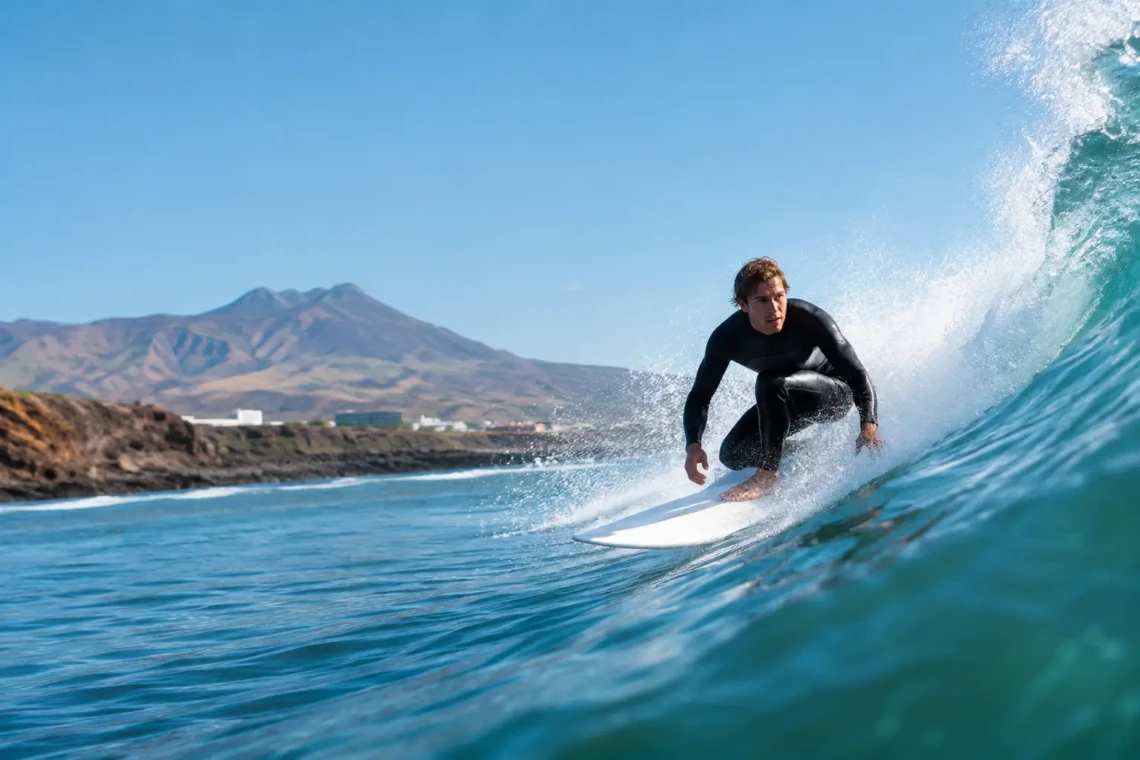
A winter morning in northern Tenerife can begin with glassy Atlantic lines rolling beneath volcanic cliffs, followed by coffee in Puerto de la Cruz while the sun warms the terraces. That contrast is the simple answer to the question, when is Tenerife surfing season: the island offers waves throughout the year, but the most consistent and powerful surf arrives from fall through early spring.
For travelers planning a surf-focused escape, timing matters less than matching the trip to your experience level, preferred coastline, and the kind of vacation you want around your sessions. Tenerife is not a one-season destination. It is an island where a serious winter swell, a mellow summer lesson, a remote-work week, and a relaxed family stay can all make sense – just not always on the same beach.
Tenerife’s main surfing season generally runs from October through March, with the strongest and most reliable swells often appearing between November and February. Atlantic low-pressure systems send northwest and north swells toward the island, waking up the reefs and point-style breaks along Tenerife’s north and west-facing coasts.
This is the period experienced surfers usually look for. Wave size can range from fun, manageable walls to powerful overhead surf, depending on the swell, wind, tide, and the specific break. Conditions change quickly, so it pays to remain flexible rather than planning every session around one location.
Winter also brings a welcome advantage for visitors from colder climates: Tenerife remains pleasantly mild. Sea temperatures are cooler than in summer, but daytime weather is often comfortable enough for a surf trip that still includes outdoor lunches, coastal walks, and time by the pool. A full wetsuit is usually the practical choice during the cooler months, especially for longer sessions on the north coast.
October is a particularly appealing month for surfers who want the first meaningful Atlantic swells without Tenerife’s coolest water or busiest winter travel period. The ocean begins to show more consistency, while the island still feels warm and bright.
November brings a stronger chance of quality swell and is a smart choice for intermediate and advanced surfers. It can also suit couples or remote workers who would like a quieter rhythm before the Christmas travel season. Bring realistic expectations, though: surf forecasts can be excellent one week and modest the next. The reward for flexibility is a chance to enjoy the island beyond the peak holiday calendar.
For those seeking Tenerife at its most surf-driven, December through February is the core window. North Atlantic swells are more frequent, and the island’s established reef breaks can deliver memorable sessions for confident surfers who understand changing conditions.
The trade-off is that these months are not automatically ideal for beginners. Bigger surf, stronger currents, shallow volcanic reef, and crowded lineups at well-known breaks demand sound judgment. Booking lessons with a qualified local school and choosing a beach break or sheltered spot can make the experience far more enjoyable.
It is also a popular time to exchange gray winter weather for Tenerife sunshine. Travelers who book a comfortable base in the north can combine early surf checks with an unhurried, well-designed stay – the kind of trip where work calls, market visits, and ocean time fit naturally into the same week.
March can still produce excellent swell, particularly early in the month, while April often feels like a transition. The ocean becomes less consistent than midwinter, but clean days and lighter crowds can make up for it.
This is a strong period for travelers who want surf to be part of a wider Tenerife vacation rather than the sole purpose of the trip. Couples, small families, and longer-stay guests may appreciate the balance: enough potential for good sessions, more daylight, and inviting weather for exploring the island between waves.
From May through September, Tenerife usually sees smaller and less frequent northwest swells. That does not mean surfing disappears. It simply becomes more location-dependent, and conditions often favor beginners, improvers, and travelers who are happy to surf around a broader beach holiday.
Summer can offer smaller waves, warmer water, and a more relaxed learning environment at suitable beaches. South-facing areas may receive occasional southern swells, while local wind can create rideable conditions in certain places. However, wind is not the same as clean surf, and Tenerife’s famous breezes can make exposed breaks choppy by afternoon.
For a first surf trip, summer has genuine appeal. A morning lesson, a long lunch, and an afternoon spent exploring natural pools or relaxing at your accommodation can feel wonderfully complete. More advanced surfers should be prepared for lighter consistency and should watch forecasts closely rather than arriving with winter-wave expectations.
The north coast is the heart of Tenerife’s winter surf scene. Areas around Puerto de la Cruz and the wider northwestern coastline are exposed to Atlantic energy and close to several respected breaks. The setting is dramatic, greener than the south, and especially attractive for guests who value local character alongside their ocean time.
North-coast waves are often reef-based and can be demanding. They are best approached with local knowledge, respect for lineup etiquette, and a clear understanding of tides and entry points. Conditions that look inviting from shore may be much more technical in the water.
The south of Tenerife is generally sunnier and drier, with many resorts, beaches, and services close at hand. It can be a practical choice for beginners and mixed groups, particularly when surf lessons and easy beach access matter more than chasing substantial swell. It is also useful when one traveler wants to surf while another simply wants calm water, dining, and a slower holiday pace.
The best coast depends on the forecast. One of Tenerife’s advantages is its microclimates: if the north is windy or oversized, another part of the island may offer a more comfortable option. Building a little flexibility into your itinerary is often the difference between a good surf trip and a frustrating one.
Beginner surfers can visit Tenerife in any season, provided they select an appropriate beach, use a reputable instructor, and remain open to changing the day’s plan based on conditions. Summer and the gentler days of spring or fall are often the easiest fit. A beginner does not need large waves to have an excellent session.
Intermediate surfers will find the widest range of opportunities from October to April. The key is choosing days that are within your ability, not simply choosing the biggest forecast. Tenerife’s reefs can be fast and shallow, so progression comes from patience and smart spot selection.
Advanced surfers should focus on the winter months, especially November through February, when Atlantic swells are most likely to light up the north and west-facing breaks. Even then, there are no guarantees. Wind direction, tide, swell period, and local bathymetry all shape the final result.
Your surf equipment depends on the season and whether you are bringing your own board or renting locally. In winter, a 3/2 or 4/3 wetsuit is commonly preferred, while summer may allow a lighter suit or shorty depending on personal comfort. Reef booties can be useful at volcanic breaks, though they do not replace careful entry and exit planning.
Beyond surf gear, pack for Tenerife’s varied terrain. A lightweight layer is helpful for cooler northern evenings, while sunscreen, a hat, and sunglasses are essential year-round. If you plan to combine surfing with remote work, choose accommodation with reliable Wi-Fi and a comfortable workspace. The ability to check a morning forecast, finish focused work, and paddle out later is one of the island’s quiet luxuries.
The best surf itineraries leave room for adjustment. Instead of committing to a single break or filling every day with fixed excursions, choose a comfortable base where you can settle into the island’s pace. Northern Tenerife is especially rewarding for guests who enjoy a more authentic setting, scenic coastlines, and easy access to the Atlantic-facing surf areas.
A thoughtfully chosen apartment or villa gives a surf trip more breathing room: space to dry equipment, prepare an easy breakfast before dawn patrol, and recover in comfort after a long session. JadeSuites offers curated stays in and around northern Tenerife for travelers who want that balance of attentive hospitality, practical amenities, and a more personal island experience.
Check the forecast, respect the ocean, and let the day’s conditions guide you. Tenerife is at its best when there is time not only to catch a wave, but also to enjoy everything that happens before and after it.



Wondering when is Tenerife surfing season?... Read More

Learn how to prepare villa for... Read More

Learn how to book direct apartments... Read More


Join The Discussion