

Hotel Versus Serviced Apartment: Which Fits?
- September 24, 2026
- Holiday
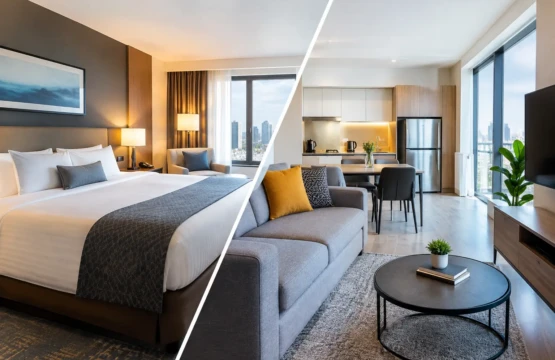
Choosing a hotel versus serviced apartment in Tenerife? Compare space, privacy, service, and value to find the right stay for your island... Read More
 by jadesuites.es
A late-arriving guest cannot find the apartment entrance. The Wi-Fi drops during a remote worker’s video call. A cleaner notices a broken glass cooktop two hours before check-in. These are the moments that define the managed rental vs self managed host decision – not the listing photos or the first booking notification.
For Tenerife property owners, holiday rental hosting can be a rewarding way to generate income while sharing a beautiful home with visitors. It can also become a second job with unpredictable hours. The right route depends on how much time you can truly give the guest experience, how close you live to the property, and how hands-on you want to be with every booking.
A self-managed host handles the full operation. This usually includes creating the listing, setting prices, answering inquiries, confirming reservations, arranging cleaning, welcoming guests, resolving maintenance issues, and requesting reviews. Some owners love this direct involvement. They know their home intimately, enjoy meeting travelers, and want complete control over decisions.
A managed rental places those responsibilities with a professional management partner, either fully or in agreed areas of the operation. The manager may oversee distribution, guest communication, pricing, housekeeping coordination, property checks, and issue resolution. The owner remains responsible for the asset and retains visibility over performance, but no longer has to be on call for every detail.
Neither approach is automatically better. A well-run self-managed home can feel wonderfully personal. A professionally managed home can deliver excellent returns and a consistently polished stay. The difference lies in where the daily work, accountability, and guest-facing pressure sit.
Self-management can appear less expensive because there is no management fee. That calculation is only complete when you include your own time, local support network, and the cost of mistakes.
Holiday guests expect a quick response when they have a question about parking, need an extra set of towels, or cannot operate the air conditioning. For international travelers arriving after a long flight, a delayed reply can shape their entire impression of the stay. For digital nomads spending several weeks in Tenerife, dependable internet and a functional workspace are not nice extras. They are essential.
The work also continues between stays. A property needs inspection after checkout, quality control after cleaning, linen management, supply replenishment, maintenance follow-up, calendar updates, and careful pricing decisions. High season, local events, school holidays, and booking lead times can all affect demand. Setting one nightly rate and leaving it there may feel simple, but it can mean missed revenue in busy periods or empty nights when demand softens.
Self-management works best when the owner has the capacity to respond quickly, lives nearby or has a trusted local team, and genuinely enjoys hospitality. It is less suitable for an owner who lives abroad, travels often, or wants the rental income without daily operational interruptions.
A quality manager does more than collect keys and publish a listing. The goal is to turn a property into a guest-ready stay with clear standards, thoughtful presentation, and reliable operations.
That begins before the first reservation. A manager can advise on the details that influence bookings and reviews: how the home is photographed, which amenities matter to the intended guest, whether the living area supports longer stays, and how the description sets expectations. A stylish villa may appeal to families seeking privacy, while an apartment with fast internet and a dedicated desk may be ideal for guests escaping winter or working remotely from northern Tenerife.
Once reservations begin, professional management creates consistency. Guests receive clear arrival information, responsive support, and a home that has been checked before they enter. Owners gain a structured approach to pricing, booking channels, guest screening where appropriate, and review management. When an issue occurs, there is someone responsible for coordinating the response rather than hoping a local contact is available.
The strongest management relationships still leave room for the owner’s preferences. You may want to approve longer bookings, block dates for personal use, set boundaries around pets or events, or preserve particular features of the home. Management should not mean losing your property’s character. It should mean protecting that character while making the operation more dependable.
It is tempting to judge the decision by one question: which option earns more? In practice, net income matters more than headline revenue.
A self-managed host may save on a management fee, but could spend more on fragmented services, last-minute maintenance, or discounts given to recover from a service failure. They may also have less time to refine pricing and listing presentation. On the other hand, a managed property has a visible cost, so the manager needs to demonstrate value through stronger positioning, efficient operations, and a guest experience that encourages positive reviews and repeat stays.
Ask for transparent numbers. Owners should understand the management fee, cleaning arrangements, linen costs, maintenance call-out procedures, platform fees, taxes, and any charges for marketing or photography. They should also be clear on how damages, cancellations, refunds, and owner stays are handled. Premium service should feel considered, not unclear.
The best revenue strategy also matches the property to the right guest. A home in Puerto de la Cruz may attract couples and small families who want walkable restaurants and coastal character. A peaceful property around Santa Ursula, Tacoronte, or Los Realejos may appeal to guests seeking views, space, and a slower pace. Filling nights with the wrong audience can create wear, complaints, and lower reviews. The aim is not simply more bookings. It is better-fit bookings.
The emotional side of hosting deserves as much attention as the financial side. Your holiday home may be an investment, a family property, or a place filled with personal memories. Not every owner is comfortable handing over access and decisions without a strong relationship and clear reporting.
If control is your priority, self-management gives you direct oversight of every interaction. You decide how to respond, when to adjust rates, and what standards feel acceptable. The trade-off is that you are also the person guests call when something goes wrong on a Sunday evening.
With management, control becomes more strategic. Rather than deciding where to buy replacement light bulbs, you set the standards, review performance, and make larger property decisions. The trade-off is choosing a partner you trust and accepting that experienced hospitality professionals may make routine decisions without waiting for approval.
Before signing with a manager, ask how often you will receive reports, who communicates with guests, whether there is support outside standard business hours, and how maintenance spending is authorized. Ask to see the process for check-in, cleaning checks, and emergency situations. Clear answers are a sign of a well-organized operation.
Tenerife is not a single type of holiday market. Guest expectations vary across the island, as do the practical realities of access, parking, weather exposure, and local services. A property that performs beautifully in winter may need a different pricing or marketing approach in summer. Homes with terraces, pools, sea views, and comfortable outdoor dining areas require particularly careful upkeep because those features often drive the booking decision.
Owners should also make sure their property and rental activity meet the applicable licensing, registration, tax, and community requirements. Regulations can change, and individual buildings may have their own rules. A professional manager can help owners understand the operational side, but each owner should obtain appropriate local legal and tax advice for their circumstances.
Presentation matters deeply in a competitive destination. Guests choosing an exclusive Tenerife stay notice the small things: fresh linens, clear instructions, a spotless bathroom, useful kitchen equipment, reliable Wi-Fi, and communication that feels warm rather than automated. Those details protect reviews, and reviews protect future bookings.
Start with an honest audit of your availability. Could you reply promptly every day, arrange a same-day solution during a guest stay, and inspect the property between bookings? Do you have a dependable cleaner, maintenance contact, and backup for arrivals? If the answer is yes, self-management may be a satisfying and profitable fit.
If you want your home professionally presented, commercially active, and carefully cared for without carrying every operational task, management is likely the stronger choice. This is especially true for owners who live outside Tenerife, own more than one property, or want to offer the kind of consistent experience that attracts longer stays and discerning travelers.
JadeSuites approaches management as hospitality rather than simple calendar administration. For the right owner, that means pairing local knowledge with an eye for detail so each home feels considered from the first inquiry to checkout.
Choose the model that lets you protect both your time and your property. A holiday rental should create opportunities, not make you permanently on call.


Managed rental vs self managed host:... Read More

Choosing a hotel versus serviced apartment... Read More

Holiday rental management in Tenerife combines... Read More


Join The Discussion