

How to Photograph a Holiday Home for Bookings
- November 3, 2026
- Holiday
Learn how to photograph a holiday home in Tenerife with light, styling, and detail-led images that help your listing attract the right... Read More
 by jadesuites.es
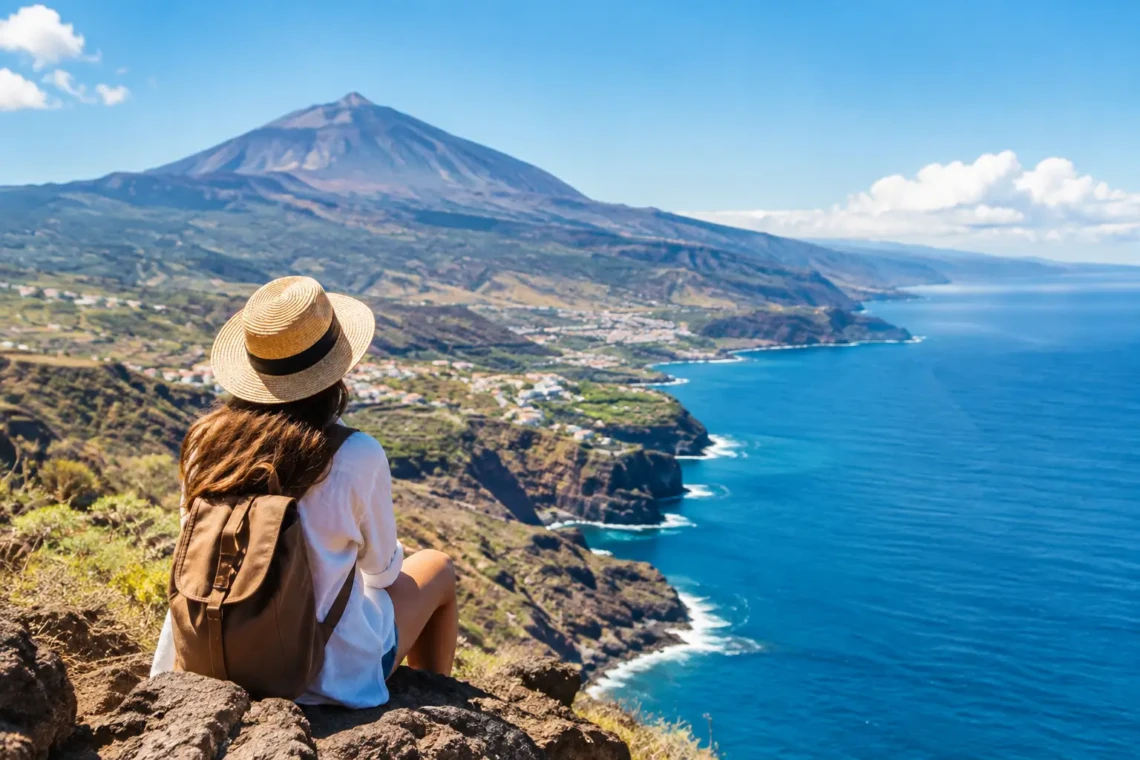
Tenerife weather is one of the island’s greatest luxuries, but it is not one single forecast. A warm beach afternoon in the south can coincide with mist over the mountains and a cooler, greener morning in the north. For travelers who want more than a quick resort break, understanding these small differences helps turn a good stay into an exceptional one.
The island sits close to Africa yet belongs to Spain, creating a famously mild climate that feels inviting throughout the year. Still, the best time to visit depends on the kind of Tenerife you want to experience: poolside relaxation, coastal walks, surfing, remote work with sunshine between meetings, or quieter winter days in a beautifully prepared home.
Tenerife is often called the island of eternal spring. That description is deserved, particularly along the coast, where daytime temperatures remain comfortable in every season. Summer is warm and dry without the heavy humidity many visitors expect from a beach destination, while winter offers a welcome escape for guests arriving from colder parts of Europe or North America.
The trade winds play a major role. They moderate summer heat and bring moisture to the north and higher elevations. This is why the south is generally sunnier and drier, while northern Tenerife is known for lush hillsides, banana plantations, dramatic coastlines, and a more lived-in local atmosphere.
For a stay in Puerto de la Cruz, Santa Ursula, Tacoronte, or Los Realejos, expect a little more variation than in the island’s southern resorts. You may wake to clouds that clear by late morning, enjoy bright sunshine in the afternoon, then welcome a cooler evening on the terrace. For many guests, that rhythm is part of northern Tenerife’s appeal: the landscape stays green, the air can feel fresher, and the scenery has real depth.
From December through February, Tenerife becomes especially attractive to travelers seeking light, warmth, and a slower pace. Coastal daytime temperatures are often pleasant enough for lunch outdoors, walks by the sea, and sunbathing on bright days. Evenings can be cool, particularly in northern locations and homes set above sea level, so a light jacket is essential.
Winter is not guaranteed beach weather every day, especially in the north. Rainfall is more likely, and cloud cover can pass through. Yet rainy periods are usually intermittent rather than all-day events, and the island offers plenty of alternatives: wine country, historic towns, local restaurants, forest trails, and tranquil afternoons at your accommodation.
This is also an excellent season for longer stays and remote work. A comfortable apartment with reliable fast internet and a dedicated workspace can make winter feel less like an escape and more like a better way to live for a few weeks. The ability to take a coastal walk after work is a meaningful upgrade from a dark commute.
March through May is one of the most balanced periods to visit. The north is often at its greenest after winter rainfall, temperatures are comfortably warm, and the island feels lively without the intensity of peak summer. It suits couples, hikers, food-focused travelers, and guests who want time to explore beyond the beach.
Spring weather is generally dependable, though Tenerife always rewards flexibility. A sunny day at sea level can turn breezy on an exposed coastal path, while a drive toward Mount Teide may require an extra layer. The island’s changing conditions are not a drawback if you plan accordingly. They simply give you more than one version of Tenerife to enjoy.
June through September brings the driest and warmest stretch of the year. The south is often hotter and more consistently sunny, making it the natural choice for guests centered on beach days. In northern Tenerife, summer is still warm and inviting, but the trade winds and occasional cloud cover can keep daytime temperatures more comfortable for sightseeing, working remotely, and active days outdoors.
August can bring calima conditions, when warm, dry air and fine dust arrive from the Sahara. Visibility may drop and temperatures can rise noticeably for a short period. These episodes are not constant, but sensitive travelers may prefer air-conditioned spaces, plenty of water, and gentler plans when they occur.
Summer evenings are ideal for outdoor dining, sunset viewpoints, and time on a private balcony or terrace. If your holiday home does not have air conditioning, consider its elevation, orientation, and airflow. A well-designed space in the north may remain very comfortable, while a sun-facing apartment in a sheltered area can feel warmer.
October and November are a favorite combination of warm sea temperatures, softer light, and fewer crowds than the height of summer. Days remain beach-friendly in many areas, while the first signs of seasonal change bring freshness back to the northern landscape.
For travelers who want a refined, unhurried stay, fall is hard to beat. It is a strong choice for couples, remote workers, and families traveling outside school vacation peaks. You can still enjoy long lunches outdoors, but there is also a sense that the island is settling into its more local rhythm.
The answer depends on what you value most. Southern Tenerife is usually the better fit for travelers who want the highest chance of uninterrupted sunshine, dry conditions, and easy access to classic beach resort life. It is practical, bright, and built around warm-weather relaxation.
Northern Tenerife offers a different kind of luxury. Puerto de la Cruz and the surrounding areas of Santa Ursula, Tacoronte, and Los Realejos feel more connected to the island’s gardens, volcanic terrain, traditional restaurants, and daily life. The weather is less predictable, but the reward is a richer sense of place. On many days, the changing cloud cover makes the coastline and mountains even more striking.
A northern base also works beautifully for guests who want to explore. You can reach vineyards, black-sand beaches, forest trails, and scenic viewpoints without spending every day in the same resort setting. If the morning is overcast, it may be the perfect moment for a drive inland, a relaxed breakfast, or a productive work session before the afternoon brightens.
Packing for Tenerife is simple once you accept that the island has several climates. Bring swimwear, sunscreen, sunglasses, and breathable clothes for warm coastal hours. Then add a light sweater or jacket for evenings, especially from fall through spring.
For northern stays or mountain excursions, closed-toe shoes are more useful than many guests expect. Cobbled streets, coastal trails, and volcanic paths are far more enjoyable in supportive footwear. A light rain layer is sensible in winter and spring, while a reusable water bottle is useful all year.
Do not pack only for the forecast shown for your arrival airport. Check the specific area where you are staying and consider its altitude. A home in Santa Ursula may feel cooler than a beachfront apartment, particularly after sunset. This can be a welcome advantage for sleep, but it is worth planning for.
Tenerife rewards travelers who leave room in the itinerary. Rather than deciding every day in advance, check the weather by area each morning. If the north is cloudy, the south may be clear. If the coast is hot, the higher elevations near Teide can offer cooler air and extraordinary views.
This flexibility is especially valuable for guests staying a week or longer. A thoughtfully located holiday home gives you a comfortable base whatever the sky is doing. At JadeSuites, that local perspective matters: the right property is not only about interiors and amenities, but also about how its location supports the kind of stay you want.
The most memorable Tenerife days are often not the ones with a perfectly blank blue sky. They might begin with coffee in soft morning cloud, continue with sunshine by the ocean, and end with a sweater on the terrace as the Atlantic light fades. Pack for that possibility, and the island will feel generous in every season.

Plan your stay around Tenerife weather,... Read More

Learn how to photograph a holiday... Read More

Villa host communication turns a beautiful... Read More

Join The Discussion